

How To Cook The Perfect Steak In A Cast Iron Pan
Pick a skillet that fits the steaks you cook most often — a 10–12 inch pan is ideal for two 1–1.5 inch steaks without crowding. Crowding drops the pan temperature and kills the crust, so avoid going smaller if you regularly cook for two or more. Think about storage: larger skillets are great for searing but take up more cabinet and counter space.
Table of Contents
Our Top Picks
Affiliate disclosure: if you buy through these links, we may earn a commission at no extra cost to you.


Factors to Consider
Size and cooking capacity
Thickness, heat retention, and flatness
Real sear comes from mass and contact: heavier, thicker cast iron holds heat better and recovers temperature when you add cold meat. Look for a flat cooking surface and even walls so the steak sits flush and sears consistently across the full surface. Thin or warped pans cook unevenly and are the most common reason for a patchy crust.
Pre-seasoned vs. bare cast iron and surface smoothness
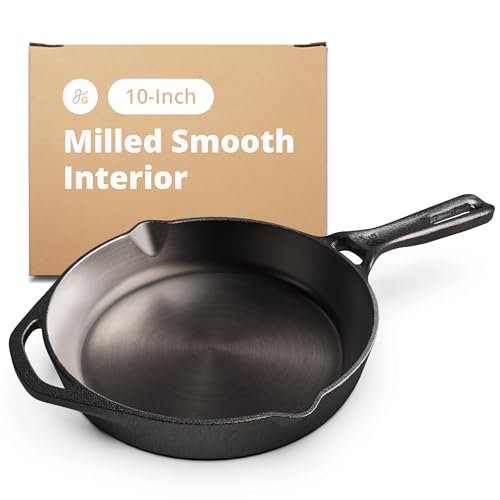
Good pre-seasoning makes the pan usable out of the box and limits sticking; budget pre-seasoned pieces often need extra seasoning to smooth the surface. If you want a near-nonstick feel, choose a smooth, factory-seasoned or polished pan — rough, pitted surfaces trap food and are harder to clean. Avoid marketing fluff about “nonstick cast iron”; the seasoning layer is what matters, not the label.
Handle design, weight, and compatibility
Long handles offer leverage but check the pan’s weight — heavy pans are great for heat but brutal to lift full of food. Make sure the handle and any helper handle let you move the pan safely from stovetop to oven; a loose helper handle is a red flag. Confirm compatibility with your cooktop (gas, electric, induction) and that you can fit the pan under your oven broiler if you finish steaks in the oven.
Maintenance, cleaning, and long-term value
Buy with maintenance in mind: smooth surfaces are easier to scrub, and a pan that re-seasons well will last decades. Skip pans advertised as “dishwasher safe” — dishwashers ruin seasoning. True value is a pan that holds heat, develops a dependable seasoning quickly, and can be restored with a few minutes of oil and heat instead of frequent replacement.
Frequently Asked Questions
What size cast iron skillet is best for steaks?
For most home cooks, a 10–12 inch skillet handles two 1–1.5 inch steaks without crowding. If you often cook for more than two, step up to 12–14 inches; anything smaller will force you to sear in batches and lose heat.
Do I need to preheat my cast iron pan, and how hot should it be?
Yes — preheat for 5–10 minutes over medium-high until it’s smoking lightly if you want a true sear. You’re aiming for surface temperatures around 425–500°F; test with a drop of water (it should dance aggressively) or use an infrared thermometer for precision.
Should I use oil or butter for searing?
Start with a high smoke point oil (grapeseed, avocado, refined canola) for the initial sear, then add butter near the end for flavor and basting. Butter burns at searing temps, so introduce it once the crust has formed or finish in the oven after basting.
How do I get a perfect crust without overcooking the inside?
Sear on high heat for 2–3 minutes per side to form a crust, then finish in a 375°F oven until the internal temp hits your target (125°F rare, 130–135°F medium-rare). Use an instant-read thermometer — timing varies with thickness, so rely on temperature, not the clock.
Can I use a cast iron pan on induction or glass-top stoves?
Yes, most cast iron works fine on induction and glass; be mindful of weight and sliding — lift, don’t drag, to avoid scratching glass tops. On induction you'll get fast heat-up and excellent recovery, which is great for steaks, but the pan will be very hot so use protection when moving it.
How do I clean and re-season after cooking steak?
Right after cooking, while still warm, pour out excess fat, scrape fond with a spatula, rinse with hot water and scrub with a stiff brush or chainmail scrubber — no soap unless you plan to re-season. Dry immediately over low heat, then rub a thin layer of oil and heat briefly to lock the seasoning back in.
Will acidic foods ruin my seasoning if I cook steak with wine or tomatoes?
Short exposure to acid (a quick pan sauce) is fine, but long braises or acidic marinades can strip seasoning and require touch-up. If you notice dull spots after acidic cooking, clean lightly and apply a thin coat of oil, then heat to re-establish the seasoning.
Conclusion
Cut the hype: the best cast iron skillet for steaks is one that stays flat, holds heat, and develops real seasoning without fuss. Winner: Lodge 12-inch Cast Iron Skillet — dependable heat retention, affordable, and ready to sear out of the box. Runner-up: Field Company 10.5-inch Skillet — smoother finish and lighter weight for easier handling, but at a noticeable premium.


