

How To Choose The Right Sous Vide 2026
Let’s cut through the marketing fluff: sous vide isn’t magic, it’s just precise thermal dynamics. If you’re looking for a gadget to replace your oven or your slow cooker, you’re wasting your money. But if you want restaurant-quality steak edges and egg yolks that don’t scramble, you need a machine that doesn’t leak, doesn’t rattle, and actually heats water fast enough to not ruin your dinner plans. Stop buying the cheapest plastic tube you can find on Amazon; you’ll pay for it in ruined meals and constant troubleshooting.
Our Top Picks
Affiliate disclosure: if you buy through these links, we may earn a commission at no extra cost to you.

Table of Contents

Quick Answer
Choose a sous vide circulator based on your pot size and power needs, not aesthetics. For most home cooks, a 1100W+ device with a secure clamp and a quiet pump is non-negotiable. Prioritize models that fit standard 6-quart stockpots and offer a wide temperature range (up to 90°C/194°F) for future-proofing. Skip the "smart" apps unless you actually plan to use them; reliability beats remote monitoring every time.
Power and Pump Speed: The Real Specs
When you look at the spec sheet, wattage is the first number you’ll see, but it’s not the whole story. A 900W unit might look cheap, but it struggles to maintain temperature in a full 6-quart pot, especially when you drop in a cold, frozen steak. In 2026, you should be looking for a minimum of 1100W to 1200W. This isn’t just about speed; it’s about stability. If the heater cycles on and off too frequently because it’s underpowered, your food cooks unevenly.
Equally important is the pump speed, measured in liters per minute (L/min). Cheap units have sluggish pumps that create "cold spots" in your water bath. You’ll end up with a steak that’s 130°F on the outside but 115°F in the center because the water isn’t moving fast enough to distribute the heat. Look for a flow rate of at least 4 L/min. This ensures rapid recovery times when you add cold food and consistent results throughout the cook.
Clamp Quality and Pot Compatibility
The clamp is the single point of failure for most sous vide setups. I’ve seen cheap plastic clamps snap under the weight of a heavy stockpot, or slip off when the water boils vigorously. Look for a clamp made of metal or high-grade, thick plastic with a wide gripping surface. It should lock securely without requiring excessive force to tighten. If it feels flimsy, put it back on the shelf.
Compatibility matters more than you think. Not all sous vide units fit all pots. Some older or bulkier models have a wide base that won’t clear the rim of standard 8-inch or 10-inch pots. Before you buy, measure the opening of your favorite stockpot. Also, check the maximum depth rating. If you want to cook a whole chicken or a large roast, you need a unit that can submerge at least 6-8 inches deep. Shallow units force you to buy a taller, more expensive pot.
Noise Levels and Build Quality
Sous vide is a "set it and forget it" method, but that doesn’t mean you want a jet engine running in your kitchen. Cheap pumps sound like a buzzing mosquito or a rattling blender. A good circulator should hum quietly, allowing you to leave it running while you prep dinner or even sleep overnight. Check for reviews that specifically mention noise levels; if users complain about a high-pitched whine, the motor bearings are likely low quality.
Build quality extends to the housing. You want a unit that feels solid, not hollow. The interface should be intuitive—physical buttons are often more reliable than touchscreens in a steamy kitchen environment. Touchscreens fog up and fail when wet. If the display is hard to read in bright light, you’ll be squinting over your pot for an hour. Look for a clear, backlit LCD that shows temperature and time at a glance.
Smart Features: Hype vs. Utility
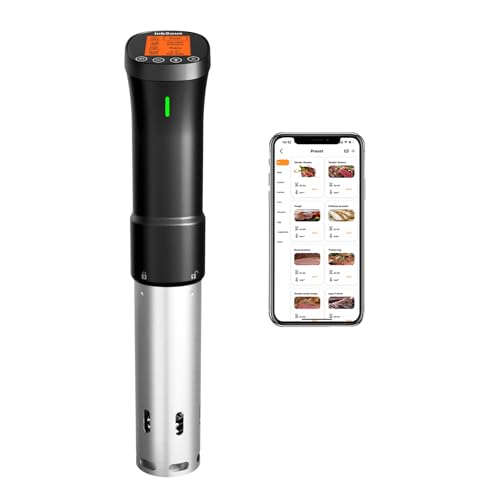
Here is where I call out the overhyped products. "Wi-Fi enabled" and "app-controlled" sounds great until your internet drops, the app crashes, or you realize you’re staring at your phone instead of cooking. For 99% of users, a sous vide machine with a simple digital timer and temperature display is superior. You set it, you walk away. If you need to check progress, you can just look at the pot.
However, if you are a tech enthusiast who genuinely wants to monitor your cook from another room, smart features can be useful. Just ensure the app is stable and doesn’t require constant re-pairing. Also, beware of proprietary ecosystems that lock you into buying expensive, branded accessories. Stick to units that work with standard containers and don’t require a subscription for basic recipes.
Water Loss and Lid Management
Water evaporates. It’s physics. If you’re cooking for 12 hours, you will lose a significant amount of water if the pot is open. This forces you to top it off, which can drop the temperature and disrupt the cook. The best sous vide systems come with or support a lid. Some high-end models have integrated lids with condensation traps; others are compatible with third-party covers.
Even if you don’t buy a dedicated lid, you can use a simple solution: place ping pong balls or a layer of plastic wrap on the surface of the water. This reduces evaporation and keeps the kitchen from turning into a sauna. When choosing a unit, consider how easy it is to clean around the heating element and pump intake. Hard-to-reach crevices breed mineral buildup and bacteria. Look for smooth, sealed designs that wipe down easily.
Frequently Asked Questions
Do I need a special bag for sous vide?
Yes. Use bags rated for sous vide cooking, typically made of polyethylene. Standard zipper bags may melt or leach chemicals at high temperatures. Vacuum-sealed bags are best for removing air, but heavy-duty freezer bags work in a pinch if you use the water displacement method.
Can I use a slow cooker for sous vide?
No. Slow cookers do not circulate water, so they cannot maintain a consistent temperature throughout the pot. You need a dedicated immersion circulator or a countertop sous vide oven.
How long can I leave food in the sous vide bath?
It depends on the food. Steaks can go up to 4 hours. Chicken breasts up to 3.5 hours. Tough cuts like brisket can go 24-48 hours. However, texture changes can occur if you exceed the recommended time, making food mushy. Always check specific guidelines for your protein.
Is sous vide safe?
Yes, when done correctly. The low-temperature, long-time method kills bacteria effectively as long as the food stays at the target temperature for the required duration. Always follow established time and temperature charts for safety.
Do I need to sear the food after sous vide?
Absolutely. Sous vide cooks the food evenly, but it doesn’t create the Maillard reaction (browning) that gives food flavor and texture. Pat the food dry thoroughly after removing it from the bag, then sear it quickly in a hot pan, with a torch, or in your air fryer.
Sous vide is a tool for precision, not a replacement for your entire kitchen. By focusing on power, pump speed, and build quality over gimmicks, you’ll get a device that works reliably for years. Don’t overcomplicate it; buy a robust circulator, a good stockpot, and some bags, and start cooking. The rest is just seasoning.


