

What Kitchen Appliance Should You Buy Next Quiz
The average kitchen has a graveyard of single-use gadgets that get used twice and shoved to the back of a cabinet. The right next appliance is one that fundamentally changes how often you cook and what you're able to make — not one that solves a problem you don't have. Answer 5 questions about your actual cooking habits and kitchen gaps and get a recommendation for the one upgrade that will make the most difference.
Our Top Picks
Affiliate disclosure: if you buy through these links, we may earn a commission at no extra cost to you.
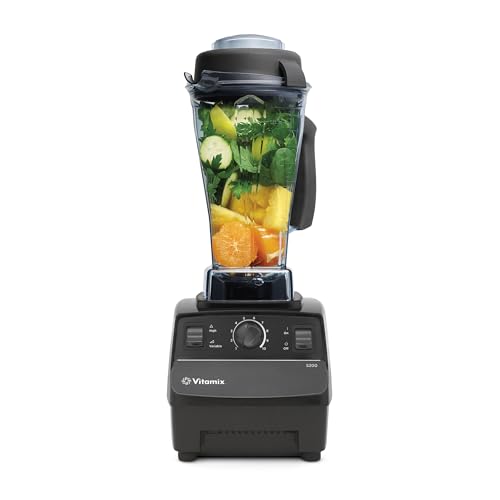
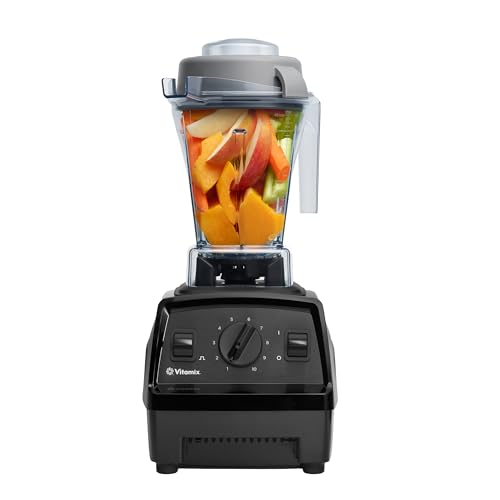
Vitamix 5200 Blender, Professional-Grade Blender for Smoothies, Soups, Ice Cream and More, Stainless-Steel Blades, Self-Cleaning Kitchen Appliance, 64 Oz Container, Black
$465.99Check Price
Table of Contents
- What best describes your cooking style right now?
- What's your biggest kitchen frustration right now?
- How many people do you typically cook for?
- Which of these do you cook most often?
- What's your budget for this kitchen upgrade?
- ⚡ Your Pick: Instant Pot (Pressure Cooker / Multi-Cooker)
- 🎂 Your Pick: Stand Mixer
- 🌡️ Your Pick: Sous Vide Immersion Circulator
- 🔪 Your Pick: A Quality Chef's Knife (and Honing Rod)
- 💨 Your Pick: Air Fryer
- Frequently Asked Questions
What best describes your cooking style right now?
What's your biggest kitchen frustration right now?
How many people do you typically cook for?
Which of these do you cook most often?
What's your budget for this kitchen upgrade?
⚡ Your Pick: Instant Pot (Pressure Cooker / Multi-Cooker)
The Instant Pot is the single appliance most likely to change how often weeknight cooks actually cook — it turns 2-hour braises into 25-minute meals, makes set-it-and-forget-it rice, soups, stews, and beans without babysitting, and replaces your slow cooker, rice cooker, and steamer in one footprint. For households that want fast, practical home cooking with minimal effort and cleanup, nothing has a higher usage-to-cabinet-space ratio.
Best Instant Pot: Instant Pot Duo 7-in-1, 6 Quart ($99) — The Standard
The Instant Pot Duo 6-Quart is the most purchased kitchen appliance in the United States for the past five years — pressure cooker, slow cooker, rice cooker, steamer, sauté pan, yogurt maker, and food warmer in one pot. The 6-quart size feeds 4–6 people comfortably and fits a standard whole chicken. The Duo model covers everything most home cooks need without paying for Wi-Fi features or stainless steel housing that the standard model doesn't need. At $99, it's the correct buy — the more expensive Instant Pot models add features that add complexity without meaningfully changing what you cook or how often you use it.
Shop Instant Pot Duo 6-Quart →Step-Up: Instant Pot Pro Plus 8 Quart ($179) — For Larger Households
The Instant Pot Pro Plus 8-Quart adds a larger capacity for households of 5+ or anyone who meal preps in bulk, a stainless steel interior (vs the standard aluminum inner pot), improved sealing ring durability, and 5 customizable programs for your most-used recipes. The 8-quart is the right size if you regularly cook whole roasts, large batches of soup, or want to batch cook grains for the week. The step-up in capacity is meaningful; the Wi-Fi features in the Pro are not.
Shop Instant Pot Pro Plus 8-Quart →🎂 Your Pick: Stand Mixer
If you bake — bread, cookies, cakes, pizza dough, or anything that requires mixing dough or beating egg whites — a quality stand mixer is the single upgrade that makes baking both faster and more consistent. Hand mixers work for light batters but fatigue your arm on stiff bread doughs, can't knead, and splatter more. A stand mixer frees both hands, handles heavy doughs, and with the right attachments extends into pasta, meat grinding, and vegetable spiralizing.
Best Stand Mixer: KitchenAid Artisan 5-Quart ($449) — The Benchmark
The KitchenAid Artisan 5-Quart Stand Mixer is the reference stand mixer for home bakers — a 325-watt motor (sufficient for all home baking applications), 10 speed settings, a planetary mixing action that reaches every corner of the bowl, three included attachments (flat beater, dough hook, wire whip), and the hub attachment port that accepts 15+ optional attachments (pasta roller, meat grinder, food grinder, ice cream maker). The Artisan is made in the USA, available in 50+ colors, and is sold with a one-year warranty — but the motors routinely last 20+ years with normal use. This is the stand mixer that professional pastry chefs recommend to home bakers without qualification.
Shop KitchenAid Artisan 5-Quart →Budget Alternative: Cuisinart SM-50 5.5-Quart ($229) — Comparable Performance
The Cuisinart SM-50 5.5-Quart Stand Mixer delivers comparable mixing performance to the KitchenAid Artisan at half the price — a 500-watt motor (slightly more powerful than the Artisan), 12 speed settings, a larger 5.5-quart bowl, a splash guard with pour spout, and three included attachments. The SM-50 is the correct recommendation for home bakers who want stand mixer capability without the KitchenAid price premium. The KitchenAid's advantages are brand prestige, attachment ecosystem depth, and better long-term parts availability — if you plan to use pasta roller or meat grinder attachments, KitchenAid is worth the premium. For mixing doughs and batters only, the Cuisinart SM-50 is equal.
Shop Cuisinart SM-50 Stand Mixer →🌡️ Your Pick: Sous Vide Immersion Circulator
Sous vide is the cooking technique most responsible for restaurant-quality results at home — precise temperature control (within 0.1°F) means proteins are cooked to exactly the right internal temperature edge-to-edge, every time, with zero babysitting. A perfectly medium-rare steak, chicken breast that's genuinely juicy instead of dry, or pork tenderloin that's pink and tender becomes repeatable rather than lucky. The immersion circulator is the tool that home cooks with technical curiosity consistently describe as the most impactful upgrade they made.
Best Sous Vide: Anova Culinary Precision Cooker Pro ($199) — The Standard
The Anova Precision Cooker Pro is the most recommended sous vide immersion circulator for home cooks — 1,200 watts of heating power (heats a large pot quickly), Wi-Fi connectivity to the Anova app with thousands of guided recipes (time and temperature pre-programmed by cut and thickness), a secure pot clamp, and a precise circulation pump that maintains temperature uniformity throughout the bath. Anova is the brand that introduced sous vide to home cooking and their app integration genuinely reduces the learning curve — select your protein, select doneness preference, and it tells you exactly what temperature and how long. No guessing.
Shop Anova Precision Cooker Pro →Budget Pick: Inkbird ISV-100W ($59) — Full Functionality at Entry Price
The Inkbird ISV-100W is the most recommended budget sous vide circulator — 1,000 watts, ±0.1°F temperature accuracy, a 20L/min circulation pump, an IPX7 waterproof rating, and a large LED display with timer. At $59, it delivers the same cooking results as the Anova at a fraction of the price. The trade-off is no Wi-Fi app integration and a less refined physical design. For someone who wants to try sous vide before committing to a premium model, the Inkbird is the honest recommendation — if you use it regularly, upgrade to Anova. Most people who buy the Inkbird keep it.
Shop Inkbird ISV-100W Sous Vide →🔪 Your Pick: A Quality Chef's Knife (and Honing Rod)
No appliance purchase improves your cooking as fundamentally as upgrading from a dull, poor-quality knife to a sharp, well-balanced chef's knife. A sharp knife is faster, safer (less force required means less slipping), and more precise — the difference between struggling through an onion and gliding through it changes how much you enjoy cooking entirely. If your current knives are dull, a quality 8-inch chef's knife and a honing rod are the correct first upgrade before any appliance.
Best Chef's Knife: Victorinox Fibrox Pro 8-Inch ($45) — Best Value in Knives
The Victorinox Fibrox Pro 8-Inch is the knife that professional cooking schools recommend to students and that Wirecutter has named best budget chef's knife for years — stamped high-carbon stainless steel, a non-slip fiberglass handle, a comfortable weight (6 oz) that reduces fatigue, and a factory edge sharp enough to work with immediately. Victorinox is the Swiss Army Knife company; the Fibrox Pro is their professional kitchen line. At $45, no other knife delivers more usable sharpness and durability per dollar. It takes an edge well and holds it through daily use. The handle looks utilitarian — it cuts like a knife twice its price.
Shop Victorinox Fibrox Pro 8-Inch →Premium Step-Up: Wüsthof Classic 8-Inch ($165) — German Precision, Lifetime Warranty
The Wüsthof Classic 8-Inch is the standard German chef's knife recommendation for serious home cooks willing to spend on a lifetime tool — precision forged from a single piece of high-carbon stainless steel (X50CrMoV15), a full bolster for balance and finger protection, a triple-riveted handle, factory-sharpened to 14 degrees per side (sharper than most German knives), and a limited lifetime warranty. The Classic's weight (8.5 oz) and balance suit cooks who use a rocking chopping motion. Wüsthof knives are made in Solingen, Germany and are the correct choice when you want to buy a chef's knife once and not think about it again for 20 years.
Shop Wüsthof Classic 8-Inch Chef's Knife →💨 Your Pick: Air Fryer
The air fryer earns its counter space for one specific use case: it makes crispy food fast without the mess, splatter, and cleanup of deep frying — wings, fries, vegetables, frozen foods, and reheated leftovers all come out crispier and faster than an oven. It's also significantly faster than a full oven preheat for small batches, making it genuinely useful for weeknight sides. If your frustration is oven-dependent cooking that takes 30+ minutes for sides you want in 10, an air fryer solves that problem directly.
Best Air Fryer: Ninja AF101 4-Quart ($99) — Most Consistent Results
The Ninja AF101 4-Quart Air Fryer is the most consistently recommended air fryer for 1–4 person households — a 4-quart capacity (fits a pound of wings or a full serving of fries), 4 cooking programs (air fry, roast, reheat, dehydrate), a wide temperature range (105–400°F), a dishwasher-safe basket and crisper plate, and Ninja's reliable heating element that produces consistent crisping without hotspots. At $99, the AF101 represents the sweet spot where quality and price are correctly matched. The 4-quart is the right size for most households — large enough for practical use without the counter footprint of the 6-quart models.
Shop Ninja AF101 4-Quart Air Fryer →For Larger Households: Cosori TurboBlaze 6-Quart ($119) — Best Large Capacity
The Cosori TurboBlaze 6-Quart is the recommended large-capacity air fryer for families or anyone cooking 4+ portions simultaneously — a 6-quart basket fits a whole chicken or a family-sized portion of wings, a 1,700-watt motor for faster heating than competing 6-quart models, 9 presets, and a shake reminder. Cosori's temperature consistency at the 6-quart size is better than Ninja's equivalent model, which tends to have hotspot issues at larger basket sizes. At $119, the TurboBlaze represents a meaningful capacity step up from the 4-quart at a small price premium.
Shop Cosori TurboBlaze 6-Quart Air Fryer →CrispKitchenGuide.com participates in the Amazon Associates program and earns commissions on qualifying purchases at no extra cost to you.
Frequently Asked Questions
How do I choose the right kitchen appliance for my needs?
Start by assessing your cooking style and biggest kitchen frustrations—whether that's lack of time, limited counter space, or wanting to try new cooking methods. Consider how many people you typically cook for and which dishes you make most often, as this will determine which appliance offers the best return on investment. The best appliance is one you'll use regularly, not a single-use gadget that ends up in the back of a cabinet.
Is an air fryer worth buying?
Air fryers are worth it if you frequently cook fried foods, frozen meals, or want faster cooking times than a traditional oven. They're particularly valuable for families who cook for multiple people regularly and want to reduce oil usage while maintaining crispiness. However, they work best for those with adequate counter space and who cook these types of meals at least weekly.
What is the best kitchen appliance for meal prep?
Food processors and Instant Pots are excellent for meal prep—food processors handle chopping, slicing, and mixing large batches quickly, while Instant Pots excel at batch cooking soups, stews, and proteins in a fraction of the time. For blended foods and smoothies, high-powered blenders are unmatched. Your choice depends on whether you primarily prep raw ingredients or cook meals in advance.
How do I decide between an Instant Pot and a traditional slow cooker?
Instant Pots offer versatility and speed—they pressure cook, slow cook, sauté, and steam, making them ideal if you want one appliance for multiple cooking methods. Traditional slow cookers are better if you prefer the simplicity of set-it-and-forget-it cooking without learning multiple functions. If you cook for a larger household or enjoy experimenting with different recipes, an Instant Pot provides more value.
What kitchen appliance should I buy if I don't have much counter space?
Consider vertical or stackable options like knife sets, compact blenders, or small food processors that can be stored easily. If you want multi-functionality in minimal space, an Instant Pot combines multiple appliances into one footprint. Prioritize appliances you'll use daily—these deserve counter real estate, while less-used gadgets should be stored away.
Is a countertop oven worth it compared to using a regular oven?
Countertop ovens are worth it if you cook for smaller portions, want faster preheating times, or need to reduce energy consumption compared to a full-size oven. They're ideal for reheating, toasting, and small batch cooking without heating your entire kitchen. However, they're less practical if you regularly cook for large groups or need high-volume cooking capacity.
How often should I use a kitchen appliance before it's considered worth the investment?
A good rule of thumb is that an appliance should be used at least 2-3 times per week to justify the counter space and cost. Focus on appliances that genuinely change how often you cook and expand what you're able to make, rather than single-use gadgets that solve temporary problems. If you find yourself reaching for it regularly and enjoying the cooking process more, it's a worthwhile investment.


