

Blenders Vs Food Processors Which Should You Buy
Stop trying to make one appliance do everything. If you’ve ever tried to slice carrots in a tall blender jar or attempted to whip a silky soup in a wide food processor bowl, you know the frustration of using the wrong tool for the job. You’re likely reading this because you’re staring at a crowded countertop, wondering if you should invest in a heavy-duty blender or a versatile food processor—or if you actually need both to survive your weekly meal prep.
The truth is simple: they are built for different physics. Blenders are liquid masters, designed to crush ice and emulsify ingredients into smooth textures. Food processors are solid-food specialists, built to chop, slice, and shred with precision. This guide breaks down the real-world performance of each so you can stop wasting money on overhyped gadgets and start buying tools that actually fit your cooking style.
Affiliate disclosure: if you buy through these links, we may earn a commission at no extra cost to you.

Table of Contents
Models in this comparison
Affiliate disclosure: if you buy through these links, we may earn a commission at no extra cost to you.
Quick Verdict
Choose Blenders if...
- Your diet revolves around liquid-based meals like smoothies, shakes, and soups.
- You prioritize silky-smooth textures over chunky vegetable prep.
- You need an appliance that excels at crushing ice and frozen fruit.
Choose Food Processors if...
- You do heavy meal prep involving chopping, slicing, or shredding vegetables.
- You need to handle solid foods, dough, or tasks like making salsa and pie crust.
- Your kitchen workflow relies on versatile, interchangeable blades and discs.
| Factor | Blenders | Food Processors |
|---|---|---|
| Primary Function | Liquids, smoothies, and smooth purees. | Chopping, slicing, shredding, and dough. |
| Design Profile | Tall, narrow containers with bottom blades. | Wide, shallow bowls with interchangeable discs. |
| Best For | Smoothies, soups, and sauces. | Vegetable prep, salsa, and solid food processing. |
| Key Advantage | Unbeatable for silky-smooth textures. | Versatile for dry batches and solid ingredients. |
| Main Drawback | Struggles with solid foods and thick dough. | Not designed for liquid-heavy mixtures. |
| Relative Cost | Budget-friendly to professional-grade. | Varies; top models like Cuisinart are ~$291. |
About Blenders
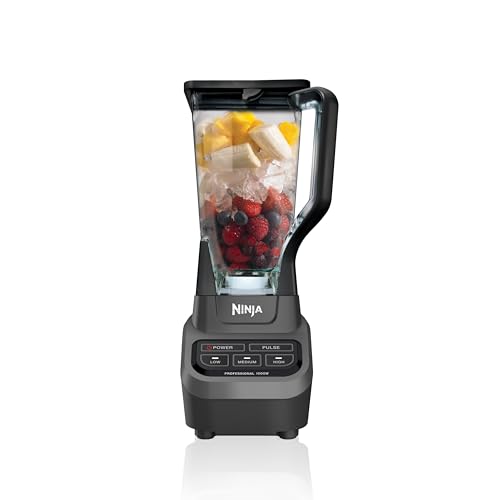
If your kitchen routine revolves around liquid-based tasks, the blender is your primary tool. Designed with a tall, narrow container and blades positioned at the bottom, blenders are engineered to create smooth, uniform textures. They are the undisputed masters of smoothies, pureed soups, creamy sauces, and frozen drinks. The vertical design helps pull ingredients down into the blades, ensuring a consistent vortex for liquid-heavy mixtures.
However, don't expect a blender to be a jack-of-all-trades. While they excel at crushing ice or blending frozen fruit, they often struggle with solid food processing. Using a standard blender to chop vegetables can result in uneven chunks rather than a clean cut, and many consumer-grade models can easily become bogged down when attempting thick mixtures like nut butters. For those looking for professional-grade results, high-performance models like the Vitamix E310 Explorian Blender—rated as the best overall blender at approximately $400 by The Spruce Eats—are better suited to handle thicker consistencies without straining the motor.
About Food Processors
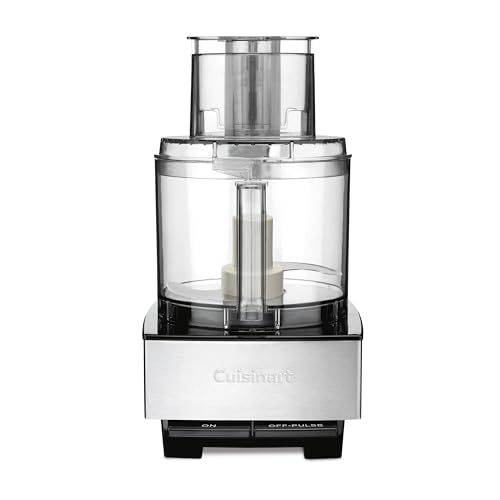
When the task involves solid ingredients and prep work, the food processor takes the lead. Unlike the narrow profile of a blender, food processors utilize a wide, shallow bowl equipped with interchangeable blades and discs. This design makes them the superior choice for tasks like slicing, shreding, dicing, and chopping. If you need to prep coleslaw, salsa, or a batch of pie crust, the food processor is the tool designed for the job.
The versatility of a food processor makes it a heavy hitter for meal prep and dough work. They are built to handle tougher tasks like kneading dough or processing dry batches of ingredients that would stall a traditional blender. While some recipes, such as hummus or nut butter, can technically be made in either appliance, the food processor provides a different level of control over texture for solid-heavy recipes. For those seeking a heavy-duty workhorse, the Cuisinart 14-Cup Food Processor has been identified by The Spruce Eats as the best overall food processor, priced at approximately $291.
Head-to-Head: Primary Function and Texture
The most fundamental difference is how these machines handle food physics. Blenders are built for liquids. With a tall, narrow container and blades positioned at the bottom, they are designed to create much-needed vortexes to pull ingredients down into the blades. This makes them the undisputed kings of smooth textures—think silky pureed soups, creamy sauces, and frozen fruit smoothies. If you try to use a standard blender to slice a carrot, you'll end up with a mess; if you try to use a food processor to make a thin soup, you'll struggle with the wide bowl geometry.
Food processors own the solid food realm. Using a wide, shallow bowl and interchangeable discs, they excel at tasks that require precision or specific shapes, such as slicing, shredding, and dicing. While a blender turns everything into a uniform liquid, a food processor allows you to control the size of the pieces. This makes them essential for meal prep tasks like chopping vegetables, grating cheese, or kneading dough. While you can technically make hummus or nut butter in either, the food processor is often better for the initial heavy chopping, whereas a high-performance blender is better for achieving that final, ultra-smooth consistency.
Head-to-Head: Design and Versatility
Design dictates capability. A blender's vertical design is optimized for immersion and aeration, making it perfect for much-needed liquid-based tasks. However, this narrow footprint can be a limitation for larger batches of solid ingredients. Because they are designed to crush and emulsify, they can struggle with thick, heavy mixtures like thick nut butters or heavy dough unless they are high-performance, professional-grade models. If your kitchen revolves around breakfast shakes and liquid-heavy recipes, the blender is your primary tool.
The food processor's wide-bowl design is built for volume and variety. The inclusion of interchangeable blades and discs means one machine can replace several manual tools like graters and slicers. This versatility makes it a powerhouse for batch cooking and prep-heavy recipes like salsa, coleslaw, or pie crust. While it won't match a blender's ability to create a liquid-smooth shake, its ability to handle dry, solid batches makes it the superior choice for those who prioritize vegetable prep and dough work in their daily cooking routine.
Who Should Choose Blenders?
If your morning routine revolves around smoothies, protein shakes, or frozen drinks, the blender is your essential tool. Blenders are designed with a tall, narrow container and blades at the bottom to master liquid-based tasks. They excel at creating silky-smooth textures for pureed soups, sauces, and creamy mixtures.
Choose a blender if:
- Your primary goal is liquid-heavy tasks like shakes and juices.
- You prioritize smooth, emulsified textures over chunky textures.
- You want an appliance that is relatively easy to clean and takes up a standard footprint on your counter.
The Reality Check: Don't buy a basic blender if you expect it to reliably handle thick nut butters or heavy dough without straining the motor. While high-performance models can handle thicker mixtures, a standard blender will struggle with solid food processing and won't be able to slice or shred vegetables.
Who Should Choose Food Processors?
If you spend your time prepping meals, chopping vegetables, or kneading dough, the food processor is the workhorse you need. Unlike blenders, food processors utilize a wide, shallow bowl with interchangeable blades and discs. This design makes them masters of solid food preparation, such as slicing, shredding, dicing, and chopping.
Choose a food processor if:
- You do heavy meal prep involving vegetables (think coleslaw, salsa, or diced onions).
- You need to handle tasks like kneading dough or processing dry batches of ingredients.
- You want versatility in texture, from coarse chops to fine shreds.
The Reality Check: While you can make some recipes like hummus or nut butter in a food processor, it won't achieve the liquid-smooth consistency of a high-performance blender. If your kitchen is strictly focused on liquid-based recipes, a food processor's wide bowl may be more cumbersome than helpful.
Our Verdict
Stop trying to find a "do-it-all" machine. If you try to use a blender to chop onions or a food processor to make a silky smoothie, you’ll end up with a mess, a strained motor, and a wasted investment. The choice isn't about which is better; it's about what your kitchen actually needs.
If your lifestyle revolves around breakfast shakes, protein smoothies, and pureed soups, buy a blender. If you spend your time meal-prepping vegetables, making pie crusts, or shredding cheese, you need a food processor. For those who want both, you'll eventually need to own both—so decide which task you perform more often before you pull the trigger.
The Winner: Food Processor
For the serious home cook, the food processor offers more versatility for meal prep. While a blender handles liquids, a food processor handles the heavy lifting of solid food preparation—slicing, shredding, and dough kneading—tasks that a blender simply cannot do reliably. It is the ultimate prep-work powerhouse.
The Runner-Up: Blender
The blender is the essential tool for liquid-based consistency. It is unbeatable for texture-heavy tasks like frozen drinks and smooth sauces, making it the better choice for those focused on liquid-heavy diets and quick breakfast solutions.
Frequently Asked Questions
Can I use a blender to chop vegetables or make dough?
Generally, no. Blenders are designed for liquids and creating smooth textures like soups or smoothies. While some high-end models can handle thick mixtures, they often struggle with solid food processing. For tasks like chopping vegetables, slicing, or kneading dough, a food processor is the correct tool for the job.
Can I make nut butter in a blender?
It depends on the power of your machine. While some recipes for nut butter can be attempted in a blender, basic models may struggle with the strain of thick mixtures. High-performance blenders are better suited for these heavy-duty tasks, but a food processor is often more efficient for processing thick, solid ingredients.
What is the main difference in design between the two?
The difference lies in the container and blade setup. Blenders typically feature a tall, narrow container with blades at the bottom to move liquids efficiently. Food processors utilize a wide, shallow bowl with interchangeable blades and discs designed to chop, slice, shred, and dice solid foods.
Which one is better for meal prep?
If your meal prep involves batch-sized chopping, shredding, or making salsa and coleslaw, the food processor is your winner. If your prep focuses on liquid-based items like breakfast smoothies, sauces, or pureed soups, the blender is the better investment.


