

Best Sheet Pans For Roasting Vegetables
🏆 Top Picks at a Glance
 #1
#1
Best Overall
Nordic Ware Naturals 3 Piece Set - USA Made Aluminum Commercial Quality Sheet Pan for Baking or Roasting, Encapsulated Galvanized Steel Rim Prevents Warping; Half Sheet, Jelly Roll and Quarter Sheet
$37.0
Check Price →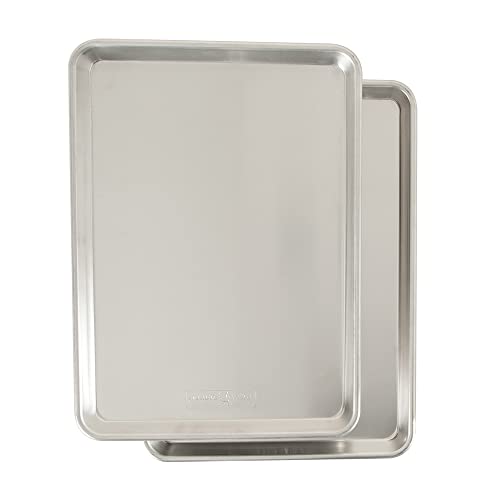 #2
#2
Runner Up
Nordic Ware Naturals Half Sheet - USA Made Aluminum Commercial Quality Sheet Pan for Baking or Roasting, Encapsulated Galvanized Steel Rim Prevents Warping, 2-Pack
$32.0
Check Price → #3
#3
Best Value
USA Pan Bakeware Nonstick Extra Large Baking Sheet Pan, Aluminized Steel
$27.95
Check Price →Our Top Picks
Affiliate disclosure: if you buy through these links, we may earn a commission at no extra cost to you.
Factors to Consider
Material & heat conduction
⚡ Quick Answer
Aluminum and aluminized steel are the real performers for roasting — they transfer heat fast and give vegetables a proper sear. Stainless steel looks nice but is slower and more prone to hotspots unless it has an aluminum core. Don’t be seduced by shiny marketing; if you want caramelized edges, choose a conductive metal rather than thin, decorative steel.
Table of Contents
Thickness, gauge and warp resistance
Thicker panels (heavy-gauge aluminum or aluminized steel) resist warping at high oven temps and hold steady for even browning. Thin, lightweight pans may save money but will cup and bend under 450°F and above, ruining your roast. Look for manufacturer specs on gauge or descriptions like “commercial” or “heavy-duty” — those mean it won’t twist after a few uses.
Size, rim height and oven compatibility
Half-sheet (18x13") is the kitchen workhorse — fits most home ovens and gives enough surface area for a proper single-layer roast. Rimmed pans trap juices and keep vegetables from sliding off, while flat cookie sheets are better for cookies, not roasting. Always check max oven temp and toaster/convection oven fit if you use countertop ovens; some half-sheets are too large for smaller appliances.
Nonstick coatings, seasoning and food safety
Nonstick coatings make cleanup effortless but can degrade at very high temps; PTFE is fine under normal roasting temps but avoid cheap unknown coatings that flake. Bare aluminum or stainless will brown well and are fine with a thin oil layer — they just need more scrubbing. If you want easy release and durability, pick reputable PTFE-free coatings (like silicone-based Americoat) or a well-made nonstick from a trusted brand.
Cleaning, storage footprint and real-world value
Dishwasher-safe claims are nice, but hand-washing extends the life of coatings and prevents warping — plan for a quick scrub. Look for pans that nest tightly to save counter and cabinet space; wideset rims and handles that protrude can cost you countertop real estate. Value isn’t lowest price — it’s a pan that stays flat, cleans easily, and gives consistent roast results for years.
Frequently Asked Questions
What is the best size sheet pan for roasting vegetables?
For most home cooks a half-sheet (about 18 x 13 inches) is ideal — it fits full-size ovens, gives plenty of surface area for single-layer roasting, and doubles as a multipurpose pan. Smaller pans are fine for toaster ovens or single portions, but crowding a pan will steam rather than roast.
Are darker pans better for browning?
Darker pans absorb more heat and can brown faster, which helps caramelization but increases the risk of scorching delicate veggies. If you use darker pans, lower the oven temperature by 25°F or keep a closer eye on the roast. For consistent, forgiving results, medium-toned aluminum or aluminized steel is a safe bet.
Do nonstick sheet pans hold up to high-heat roasting?
Quality nonstick pans from reputable brands tolerate typical roasting temps (up to ~450°F) well, but ultra-high temperatures and broiling can wear coatings quickly. If you roast regularly at very high heat or broil often, choose bare metal or a PTFE-free industrial coating designed for those temps.
How do I prevent a sheet pan from warping?
Buy a heavier-gauge, commercial-style pan and avoid sudden temperature shocks (don’t run cold water over a hot pan). Avoid ultra-thin pans marked “budget” — they’re prone to cupping after repeated exposure to high heat. Proper storage (flat or nested with care) also helps maintain shape.
Are silicone baking mats a good substitute for nonstick pans?
Silicone mats are excellent for nonstick release and easy cleanup, but they insulate the pan slightly and can reduce browning compared with bare metal. Use them when you want easy cleanup or are baking cookies; for roasting vegetables aiming for crisp edges, go bare or lightly oiled metal.
Can I use aluminum foil on my sheet pan for easier cleanup?
Yes, foil simplifies cleanup and catches drips, but it can block airflow and trap moisture if wrapped over food. Use foil under foods that release a lot of liquid, but for best caramelization, oil the pan directly or use a light scatter of oil on the veggies.
Is it worth buying a commercial-grade sheet pan?
Yes — commercial-grade pans cost more upfront but stay flat, withstand higher temps, and last years without warping, which saves money over time. If you roast frequently or use a convection/air-fry setting, the investment pays off in consistent results and fewer replacements.
Conclusion
For reliable, no-drama roasting that actually browns vegetables, choose a heavy-duty, conductive pan over trendy thin-sheet or novelty options. Winner: USA Pan Half Sheet (heavy gauge aluminized steel with durable nonstick) — excellent browning, virtually warp-proof, and cleans up easily. Runner-up: Nordic Ware Natural Aluminum Commercial Baker’s Half Sheet — best value for fast, even heat and long service life if you prefer bare metal performance.


